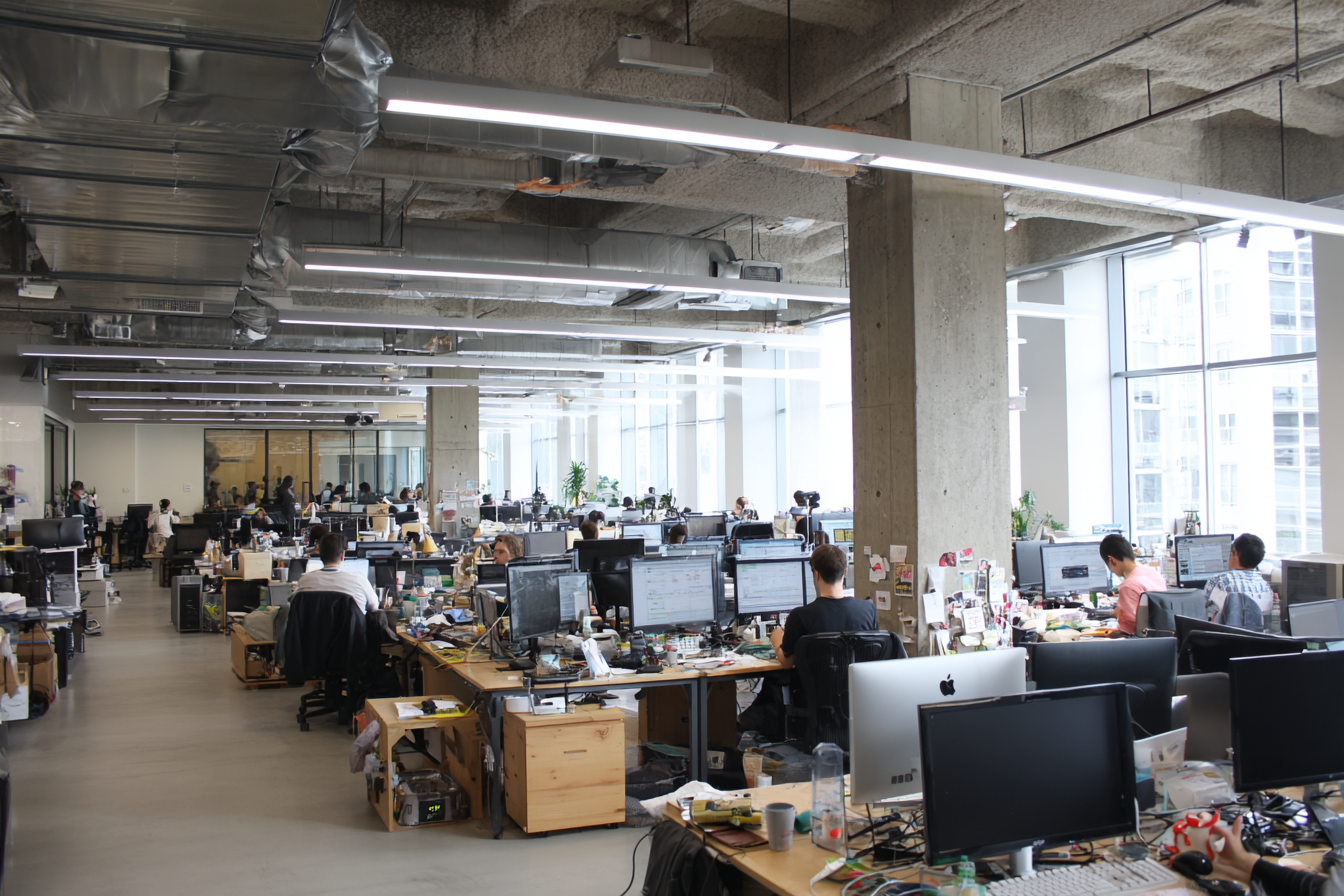
Algorithmic bias is not usually intentional in the way people imagine. Most hiring systems are trained on historical data or tuned to match past hiring outcomes. In practice, this means they favor candidates who resemble people already inside the company: Same job titles, similar schools, and familiar career paths. Anything that does not fit those patterns is treated as higher risk and quietly filtered out. From the company’s point of view, this feels efficient. They are optimizing for speed and predictability, not for long term growth or range of thinking.
The real problem is what this reinforces over time. When companies only hire people who look like their current employees, they stop bringing in new perspectives. No new backgrounds means no new ideas. No new approaches means no meaningful challenge to how things are done. The organization becomes an echo chamber, where decisions are confirmed instead of questioned. That always leads to mistakes and strategy blindness.
The Myth: Managers Should Hire for Culture
This is not a new idea. Companies have been hiring for culture and personality for decades. In the past, this showed up as personality tests, culture fit interviews, and vague questions about attitude and values. These tools were framed as ways to reduce risk, but in practice they filtered for people who behaved and thought like everyone else. A strong manager hires for capability and results, not for how closely someone mirrors the existing team.
Personality is a poor proxy for performance. It says little about whether someone can solve problems, learn quickly, or deliver outcomes under pressure. What it does measure is conformity. It rewards candidates who speak the same way, share the same assumptions, and signal comfort with the current culture. Over time, this selects for people who avoid friction rather than people who improve systems. The company becomes easier to manage, but weaker at adapting.
False Confidence and Skill Decay
One problem this creates is false confidence. When companies hire people who think and act the same way, everything feels easier. Meetings are smoother. Decisions get made faster. Fewer people push back. Leaders often read this as alignment and competence. In reality, it usually means risks are not being raised. Weak ideas go unchallenged. Problems are ignored until they become impossible to hide. By the time disagreement would have helped, it is already too late to change course.
Another issue is skill decay. When hiring rewards fitting in instead of delivering results, teams slowly lose real capability. People learn that being agreeable matters more than being good. Strong performers who question assumptions or push for better ways of working are more likely to leave. Those who comply tend to stay and get promoted. Over time, the organization becomes less technically strong and more focused on internal politics. Things appear stable on the surface, until the company faces a real challenge it cannot handle.
AI is only Making Hiring Worse
AI driven screening is simply the next iteration of this pattern. Instead of a human interviewer judging culture fit, an algorithm enforces it automatically and at scale. The result is even tighter conformity with less accountability. This is bad policy for employers. It reduces internal challenge, limits creative problem solving, and increases the risk of blind spots. Companies gain short term efficiency, but they trade away the diversity of thinking that actually drives long term performance.
AI also makes the learning problem worse. Teams made up of similar people share the same blind spots, so they learn more slowly and repeat the same mistakes. New markets, new technologies, and changing customer behavior are harder to understand when no one has seen a different way of doing things. When algorithms enforce these patterns, the bias becomes harder to fix. A manager can rethink a bad hire. A system cannot unless it is rebuilt. What starts as a time saving tool turns into a long term weakness that spreads across the entire company.


